
B2B eCommerce Reimagined: How Composable Platforms Like Spryker Commerce Are Shaping the Future
In the B2B world, digital transformation isn’t just about spinning up an online storefront or launching a flashy new product configurator. It’s about architecting a scalable, flexible digital ecosystem—one that meets the rising expectations of today’s B2B buyers while adapting to tomorrow’s unknowns.At Echidna, we’ve worked alongside manufacturers, distributors, and global brands who are modernizing their commerce operations. One thing is crystal clear: monolithic, one-size-fits-all platforms no longer meet the mark.Enter composable commerce platforms—solutions designed for agility, customization, and scalability. Platforms like Spryker have emerged as leaders in this space, particularly for enterprises with complex B2B models. But this isn’t about favoring one solution. It’s about understanding the architecture that enables long-term success, regardless of vendor.
🚀 Why Composable Commerce Matters in B2B
Traditional eCommerce platforms—especially those built for B2C—tend to force businesses into predefined processes. For B2B companies juggling unique pricing rules, multilayered account hierarchies, and deeply embedded legacy systems, that rigidity is a major roadblock.Composable commerce changes the game. It lets businesses:
- Assemble their stack using best-of-breed components
- Launch faster with less risk
- Iterate and innovate continuously without wholesale replatforming
Common B2B Challenges That Benefit from a Composable Approach:
- Customer-specific pricing and catalogs
- Multi-user corporate accounts with varying permissions
- Approval workflows for large purchases
- Complex ERP and PIM integrations
- Omnichannel sales and dealer portals
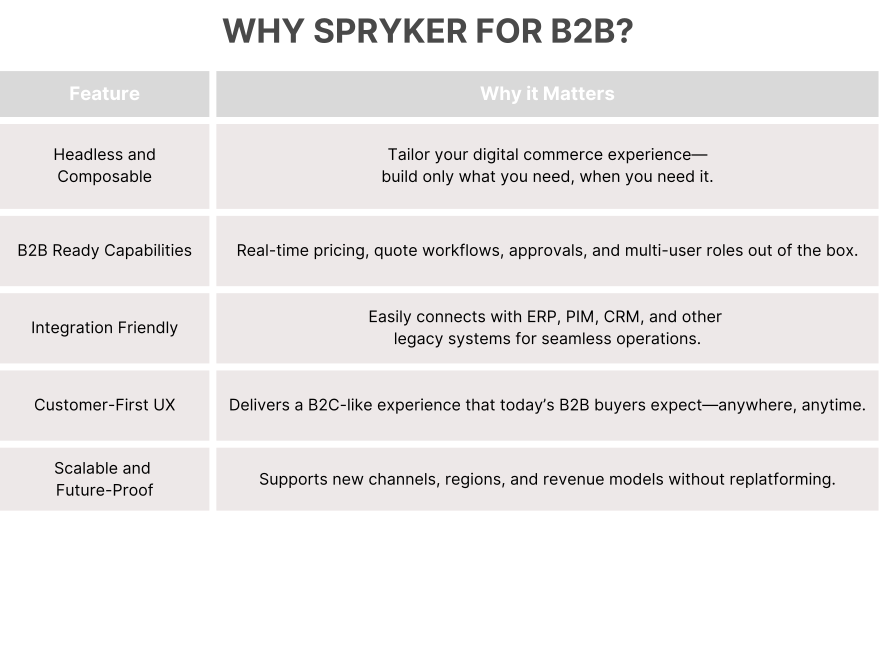
Platforms like Spryker Commerce enable B2B organizations to solve these problems through modular building blocks and headless flexibility, making it easier to address both current operational needs and future innovations.
Core Capabilities Modern B2B Platforms Must Support
No matter the platform, successful B2B commerce hinges on meeting both technical complexity and user experience expectations. Here are four key areas where composable platforms stand out:
✅ Flexibility to Handle Complex Business Models
Modern B2B businesses don’t sell like they used to. They manage dozens of channels, negotiate customer-specific terms, and often act as both manufacturer and marketplace. Your platform should accommodate—not constrain—this complexity.
✅ Seamless Integration Across the Tech Stack
Whether it’s SAP, Salesforce, Oracle, or a homegrown ERP system, the platform needs to plug in effortlessly. Composable platforms offer clean, API-first connections that reduce integration friction and future-proof your architecture.
✅ A Buyer Experience That Rivals B2C
The expectations of B2B buyers are evolving. They want the same intuitive, on-demand experiences they get from consumer apps—self-service ordering, real-time inventory, mobile access, and even live chat. A headless frontend enables you to build exactly the experience your customers want.
✅ Agility to Innovate and Scale
Need to launch a direct-to-consumer channel? Expand into international markets? Build a digital dealer portal? Composable platforms support quick pivots, so your business doesn’t get left behind as markets shift.
The Echidna Approach: Platform-Agnostic, Outcome-Focused
At Echidna, we don’t push a single platform. Instead, we start with your business strategy, your customer expectations, and your operational realities. Then we work backwards to recommend and implement the right tech—whether it’s Spryker Commerce, VTEX, Adobe Commerce, Shopify, or beyond.With decades of experience in digital transformation, our team brings together strategic consulting, UX design, technical implementation, and continuous optimization—so you're not just launching a site, you’re evolving a business.Start a Conversation